
Call us now
08037735471
Call us now
08037735471

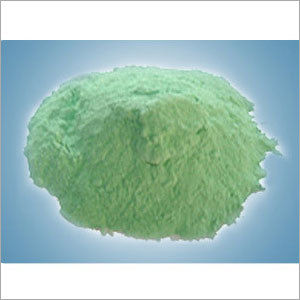

Backed by our qualified professionals, we are able to manufacture, export and supply premium quality Nickel Carbonate. Featured with moisture free content and accurate composition, these products are widely demanded by ceramic, paint and other industries. Our experts formulate these products using nickel, carbonate, zinc and other chemicals, procured from reputed vendors of the market. We offer Nickel Carbonate in various quantities at market leading prices.
Nickel Carbonate (NiCO) - Technical Description
Overview:
Nickel carbonate is an inorganic compound with the chemical formula NiCO. It is a pale greenish powder that occurs naturally as the mineral willemite. It is widely used in various industrial processes, particularly in the production of nickel-based materials, catalysts, and in battery technologies.
Chemical Structure:
Formula: NiCO
Molar Mass: 118.7 g/mol
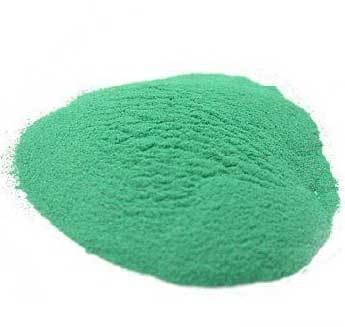
Appearance: Light green, odorless solid (powder)
Density: 4.25 g/cm
Melting Point: Decomposes before melting (typically around 500600C)
Solubility: Insoluble in water, but can dissolve in acids to form nickel salts.
Purity:
Nickel carbonate products are available in different grades, with typical purities ranging from 98% to 99.5%, depending on the intended application.
High-purity grades are used in the production of nickel metal for electroplating, alloy manufacturing, and batteries.
Color:
Generally pale green or light grayish-green powder, though this can vary based on purity and moisture content.
Reactivity:
Nickel carbonate is stable under standard conditions, but it decomposes when heated to form nickel oxide (NiO) and carbon dioxide (CO).
It can react with acids to form nickel salts, such as nickel sulfate (NiSO) or nickel chloride (NiCl), which are useful in electroplating and other processes.
Toxicity:
Like most nickel compounds, nickel carbonate is toxic if inhaled or ingested. Proper handling and safety precautions (including the use of gloves and protective equipment) are required.
Uses and Applications:
Nickel Production: Nickel carbonate is a precursor in the production of nickel salts and nickel metal, which are used in industries like stainless steel manufacturing, electroplating, and battery technologies.
Catalysts: Nickel carbonate is used in the preparation of catalysts, especially in hydrogenation and other chemical processes.
Batteries: Nickel carbonate plays a role in nickel-based rechargeable batteries (such as Nickel-Cadmium and Nickel-Metal Hydride batteries).
Pigments: It is used as a pigment for ceramics and glass, imparting a green color to the final product.
Synthesis:
Nickel carbonate is generally produced by reacting a soluble nickel salt (such as nickel sulfate) with a carbonate source like sodium carbonate or ammonium carbonate:
This reaction yields nickel carbonate as a solid precipitate, which can then be filtered and dried.
Storage:
Nickel carbonate should be stored in a cool, dry place, away from acids and other chemicals. Packaging is typically in sealed containers to prevent contamination with moisture, which could lead to the decomposition of the material.
Battery Manufacturing: In the production of nickel-metal hydride (NiMH) batteries, nickel carbonate is used as a precursor for the nickel hydroxide used in battery electrodes.
Electroplating: Nickel carbonate is used as a starting material for the electroplating of nickel coatings, which are applied to other metals to improve corrosion resistance and aesthetic appearance.
Catalysts: Nickel carbonate is used as a catalyst or catalyst precursor in various chemical reactions, particularly in hydrogenation processes and petrochemical production.
Ceramics and Glass: It is employed as a green pigment in the production of ceramics and glass, due to the stable green coloration it imparts.
Alloys and Stainless Steel: Nickel carbonate is a source of nickel used in the production of various alloys, including stainless steel, where nickel contributes to corrosion resistance and strength.
Environmental Impact: Disposal of nickel carbonate and nickel-containing waste requires careful management due to the toxicity of nickel compounds. It must be handled and disposed of according to local regulations to prevent environmental contamination.
Safety Handling: As a potential inhalation hazard and skin irritant, it is essential to wear protective equipment when handling nickel carbonate. Prolonged exposure to nickel compounds can lead to respiratory issues and other health concerns.

Price:
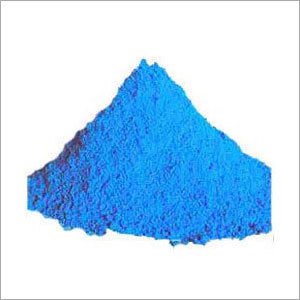
Type : Other, Inorganic Compound
Purity(%) : 98%
Grade : Industrial Grade
CAS No : 7758987
Appearance : Blue Crystalline Powder
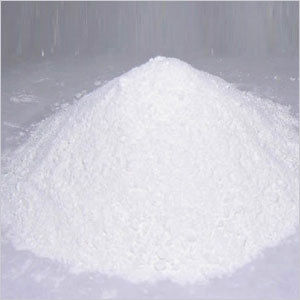
Type : Powder, Other
Purity(%) : 99.5%
Grade : Industrial Grade
CAS No : 1314132
Appearance : White Powder
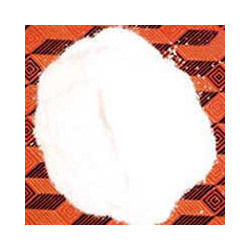
Type : Inorganic Compound, Other
Purity(%) : 98%
Grade : Industrial Grade
CAS No : 7782630
Appearance : Pale green crystalline powder


 Get Latest Price


 Send Inquiry
 Send Inquiry
 Send SMS
 Call Me Free